



“Memories of the Kyiv-Pechersk Lavra” Photo Project
 We continue to acquaint you with the exhibition activities of the Kyiv-Pechersk Preserve in the 1970s. Today's release is dedicated to another very popular exhibition in the 1970s and 1980s, entitled “History of the Lavra Caves”.
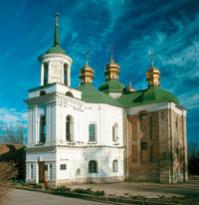
The exhibition was located on the first floor of the Near Caves’ monastic cells, constructed in 1836 upon the project of military engineer Ivan Dzychkanets. The exhibition took origin from the previous one on Caves and Mummification. That exhibition has been open to public since 1949 in the building Nr. 4 on the territory of the Upper Lavra (Cells of the Cathedral Elders). It was moved to the premises of the former winter church of All Saints of Pechersk in 1964, due to the opening of caves labyrinths for tourists.
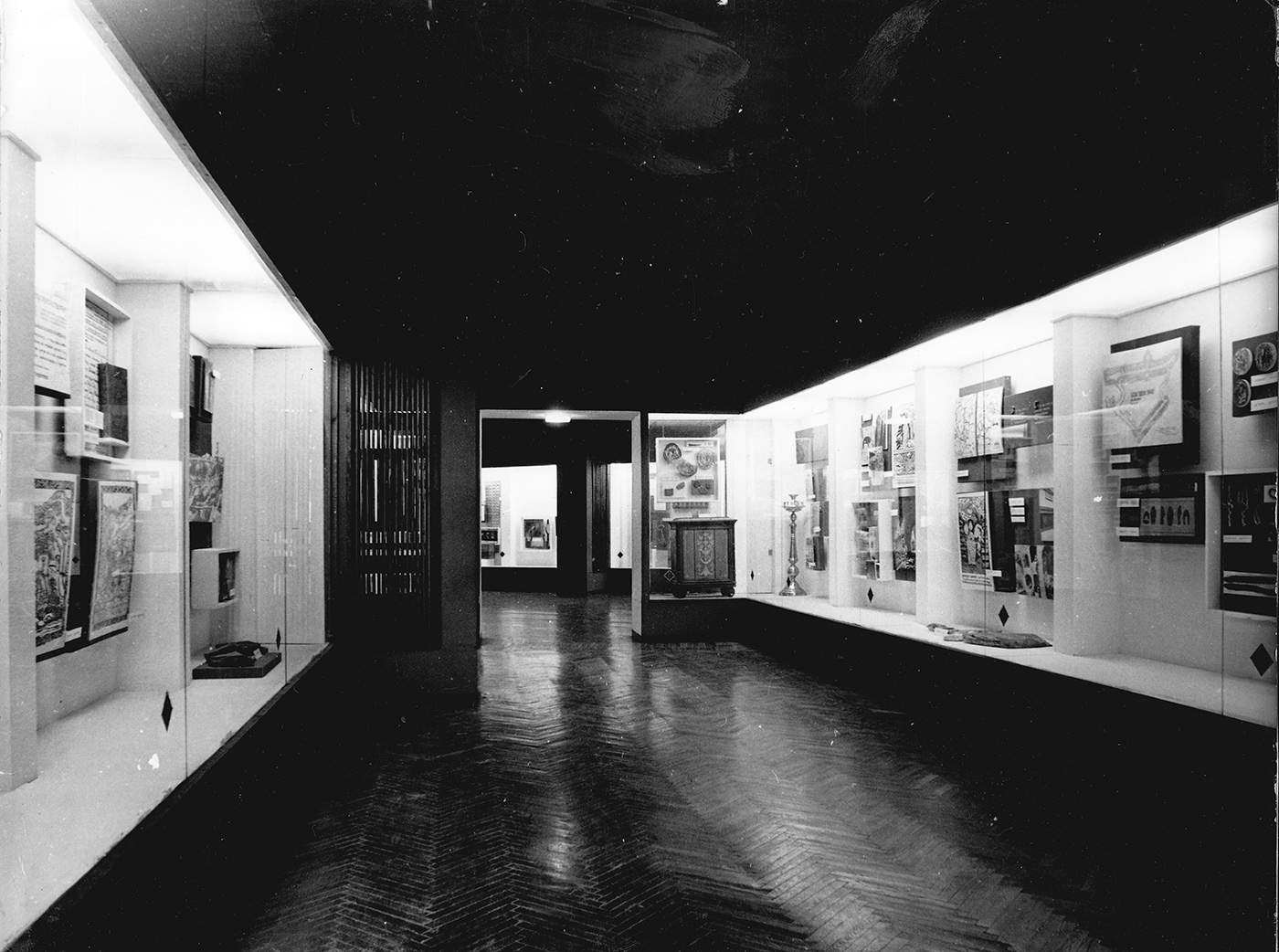
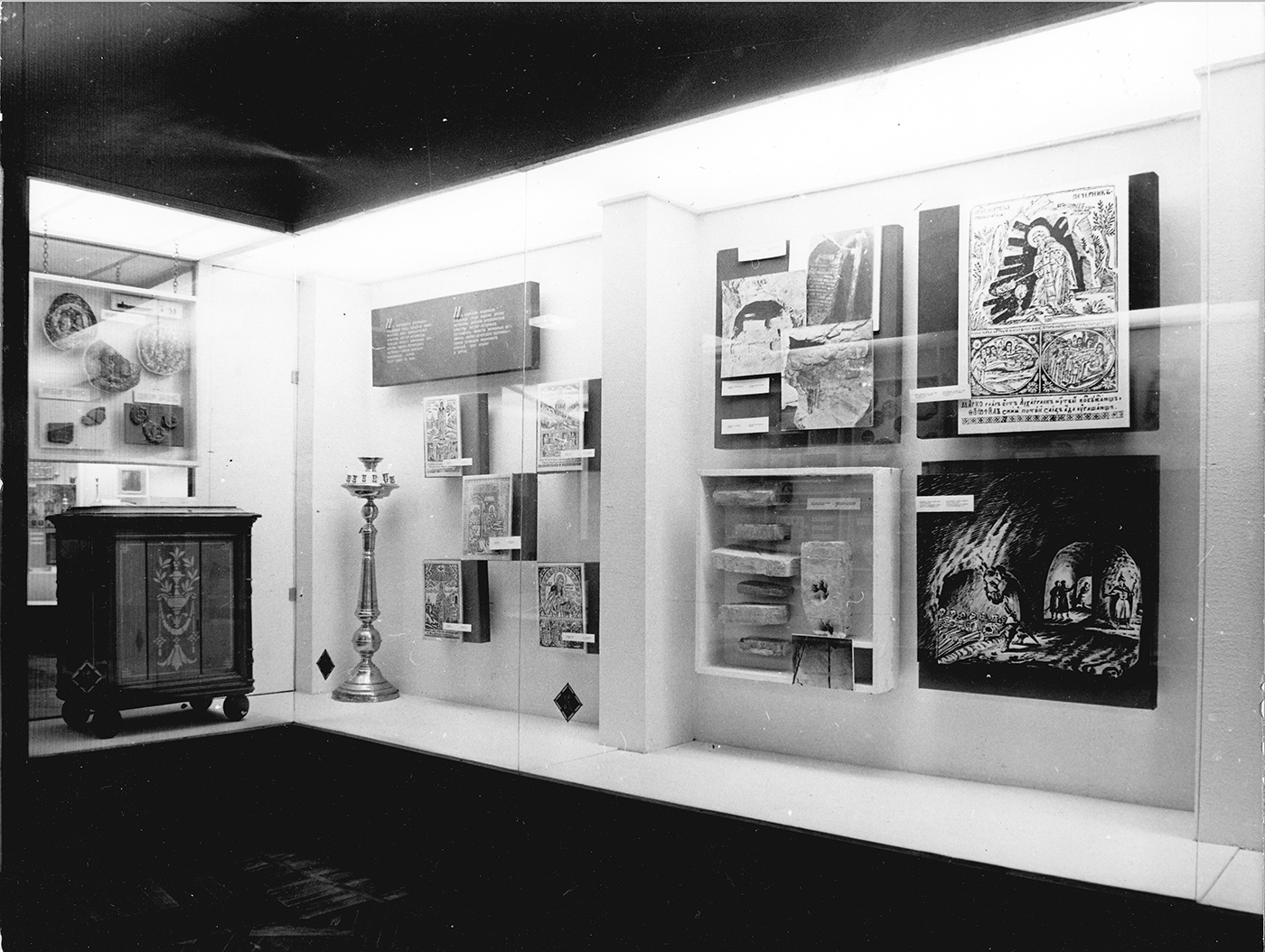
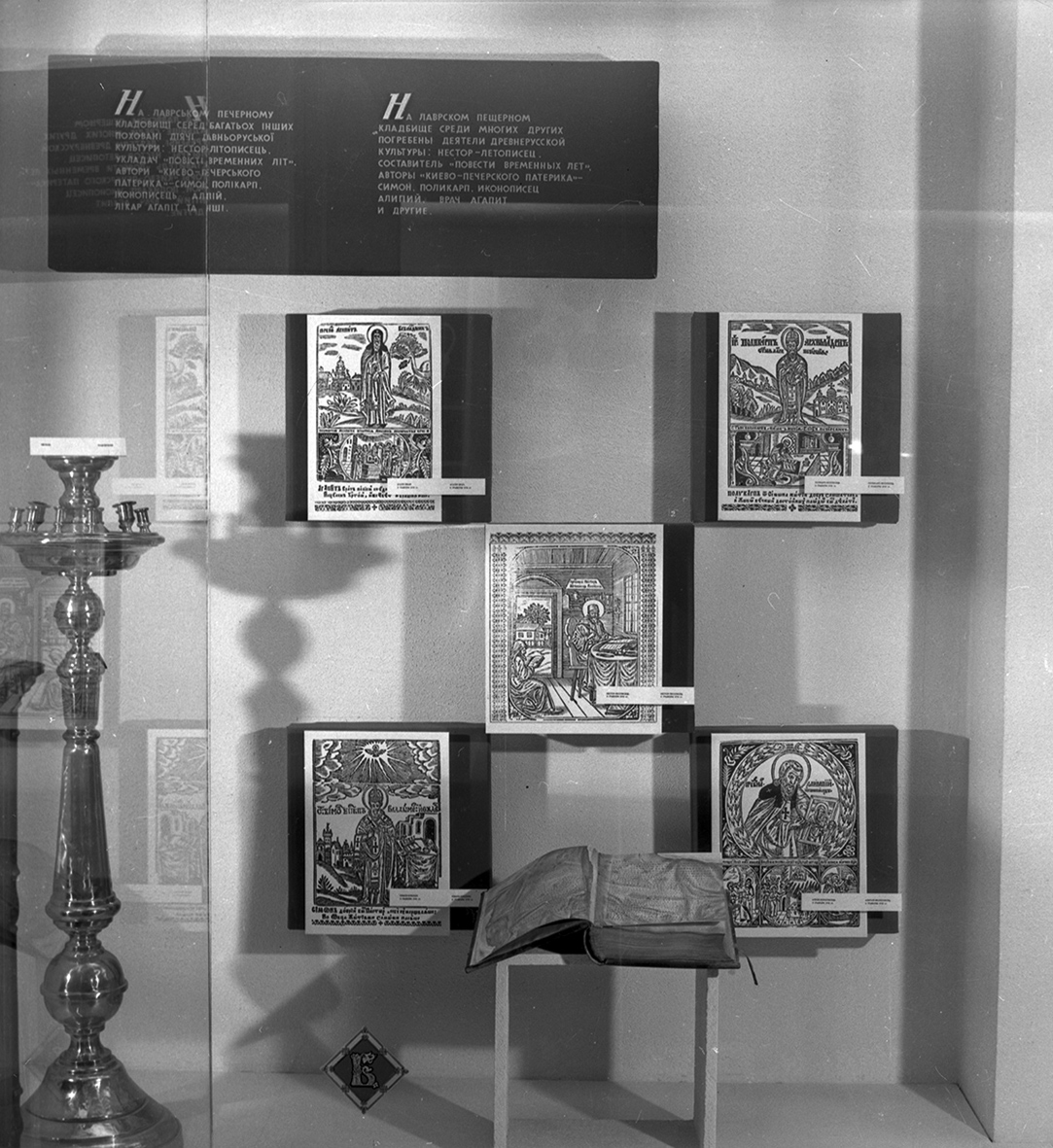
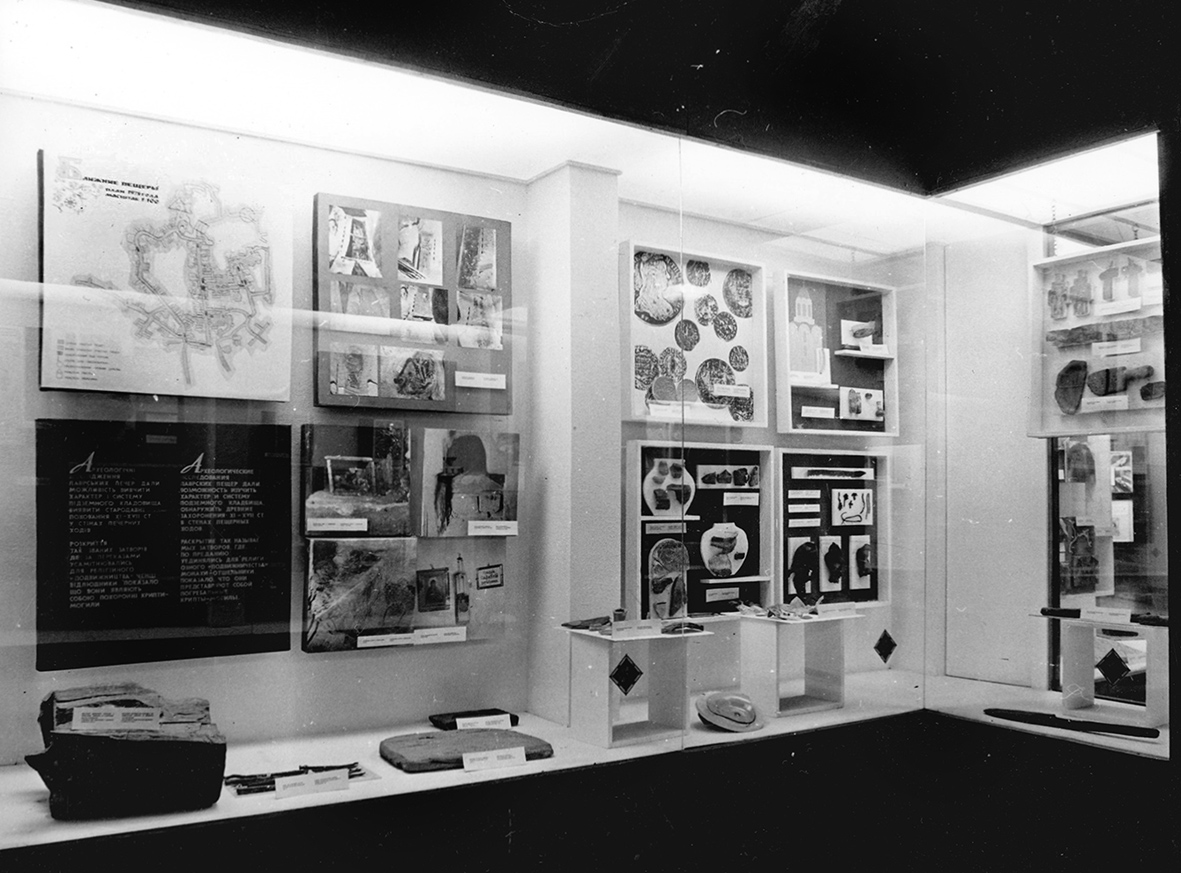
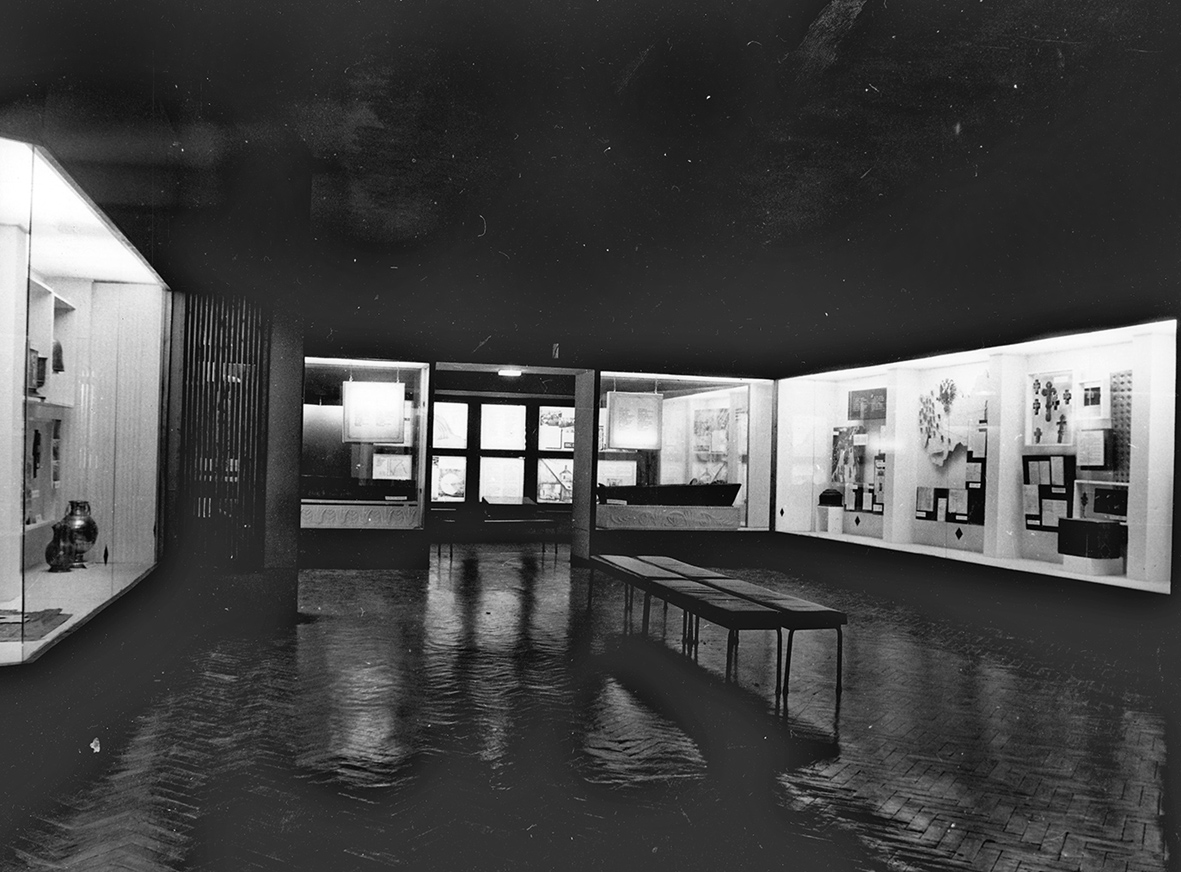
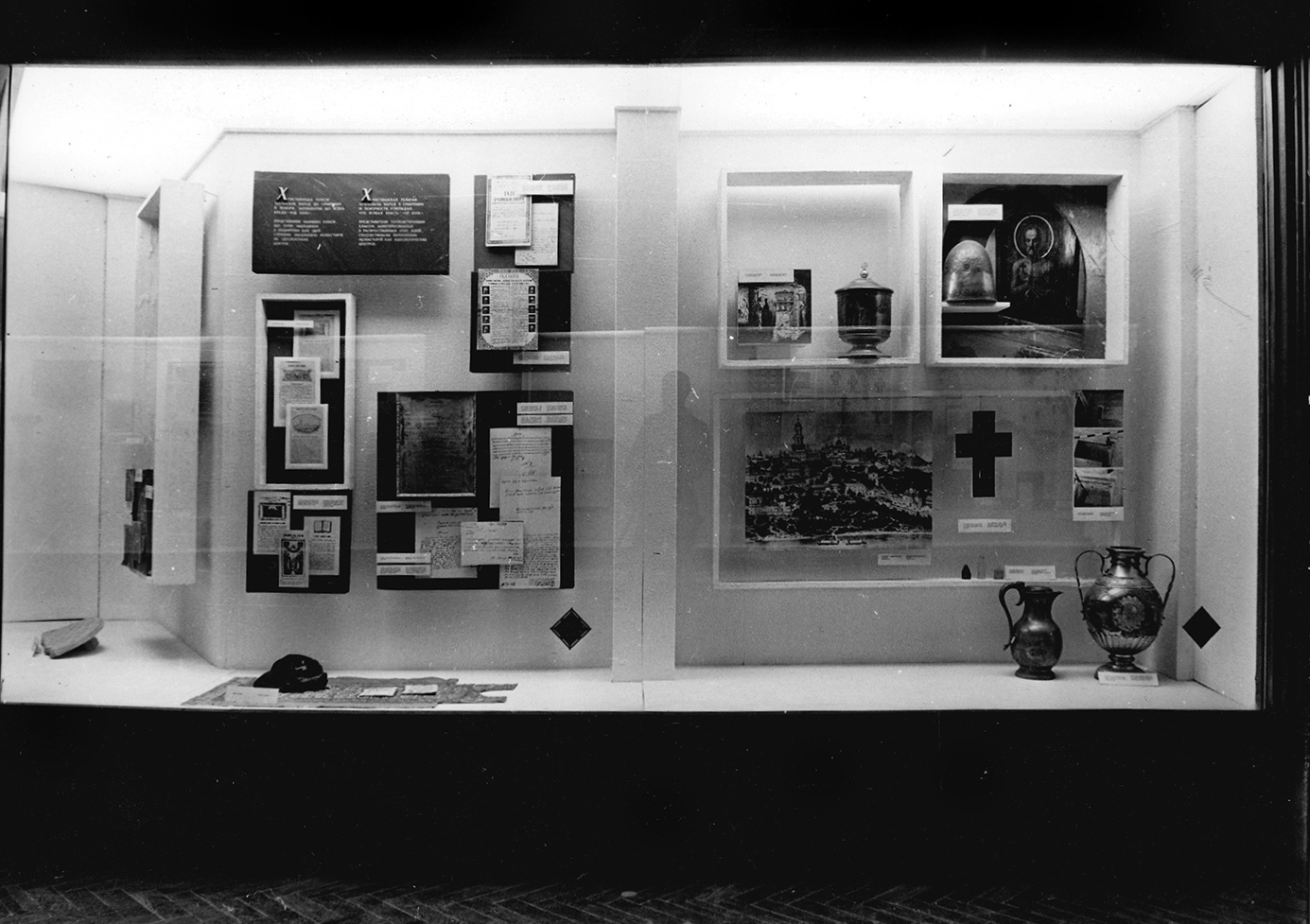
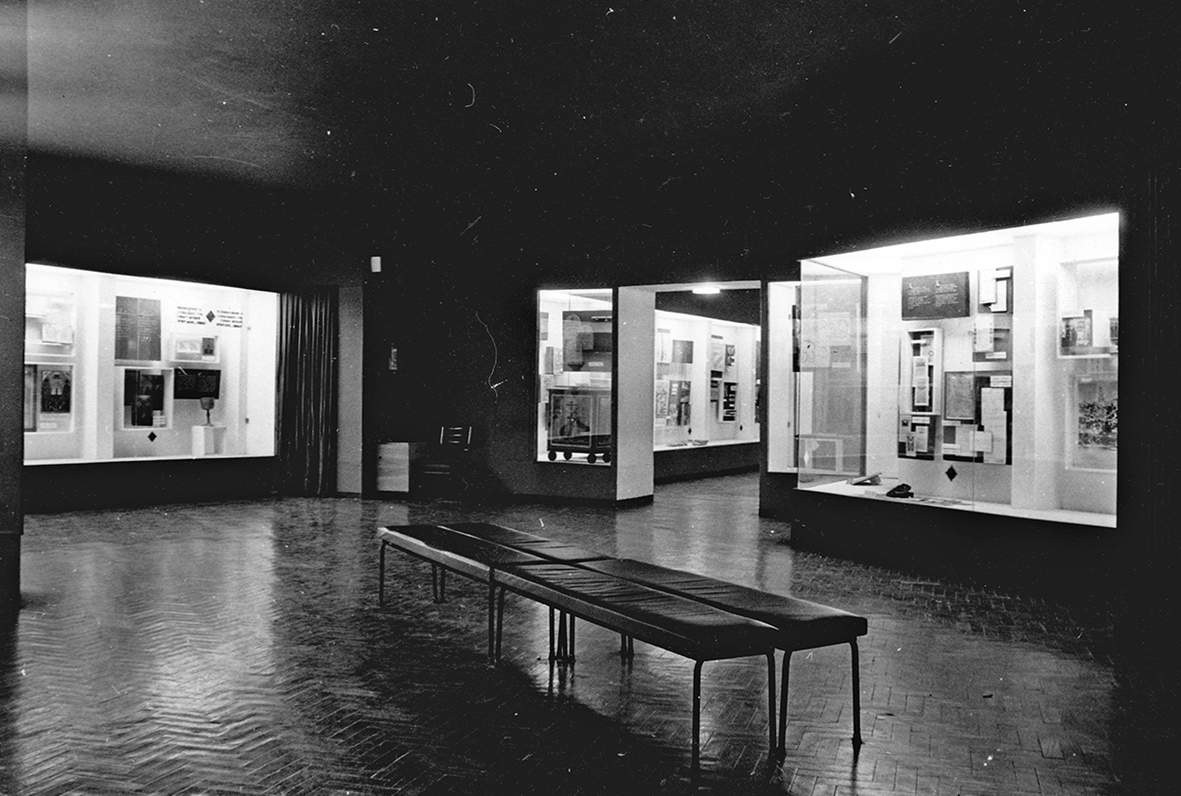
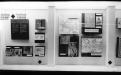
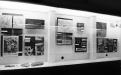
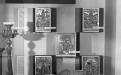
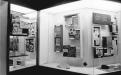
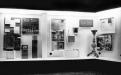
In the second half of the 1970s, the Cave History Division in charge of the exhibition initiated a major renovation of the exhibition adding new materials dedicated to the Lavra caves. This prompted to change the exhibition name and expand it to the adjacent premises of the former brethren cells. From now on the exhibition occupied three rather large halls. Showcases with about 350 exhibits were placed along the walls. They contained original items from the Preserve collection, copies of archival documents, engravings, plans, models of caves, etc. A significant part of the exposition consisted of artefacts found during archeological excavations in caves.
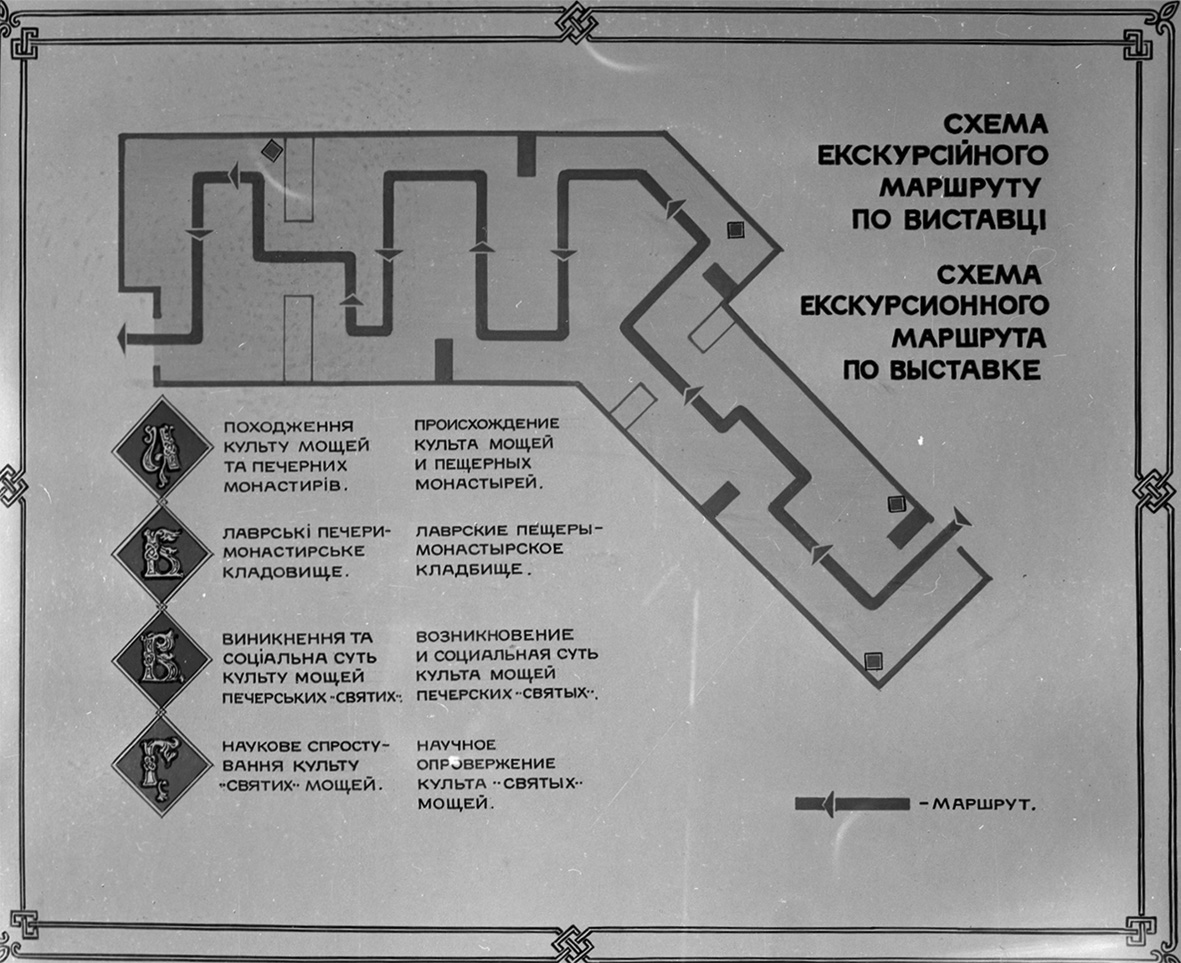
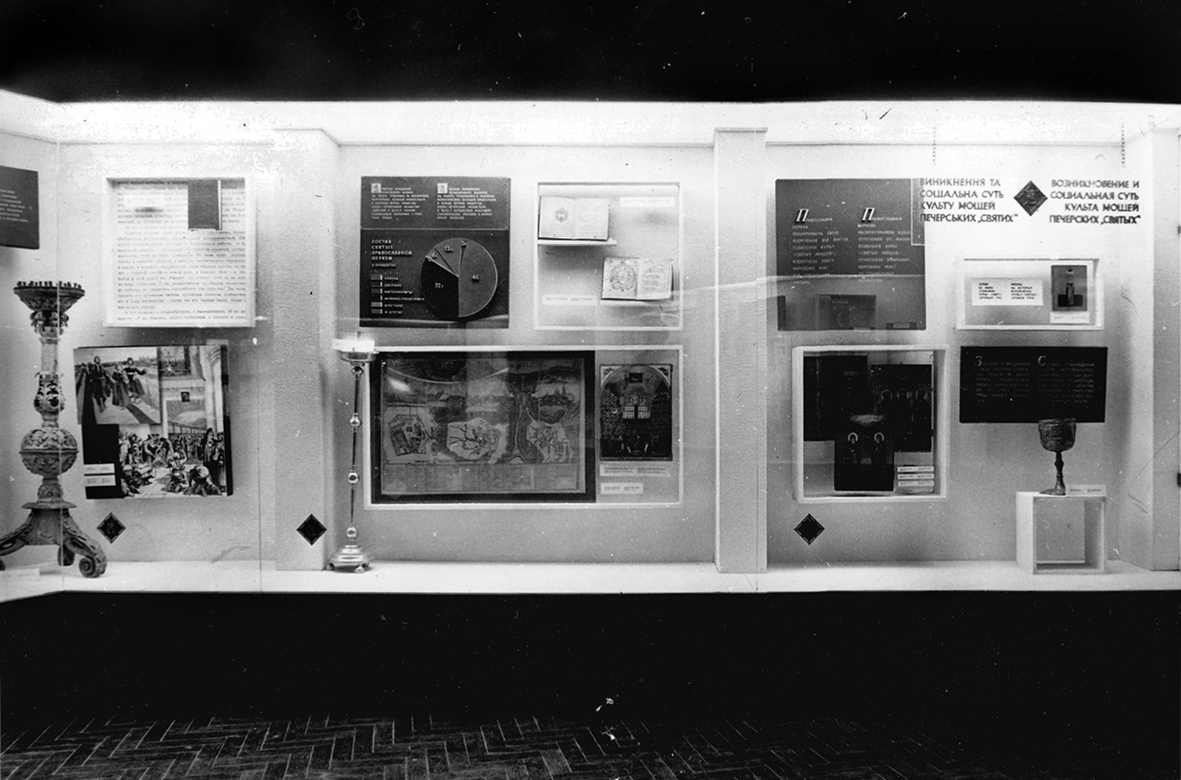
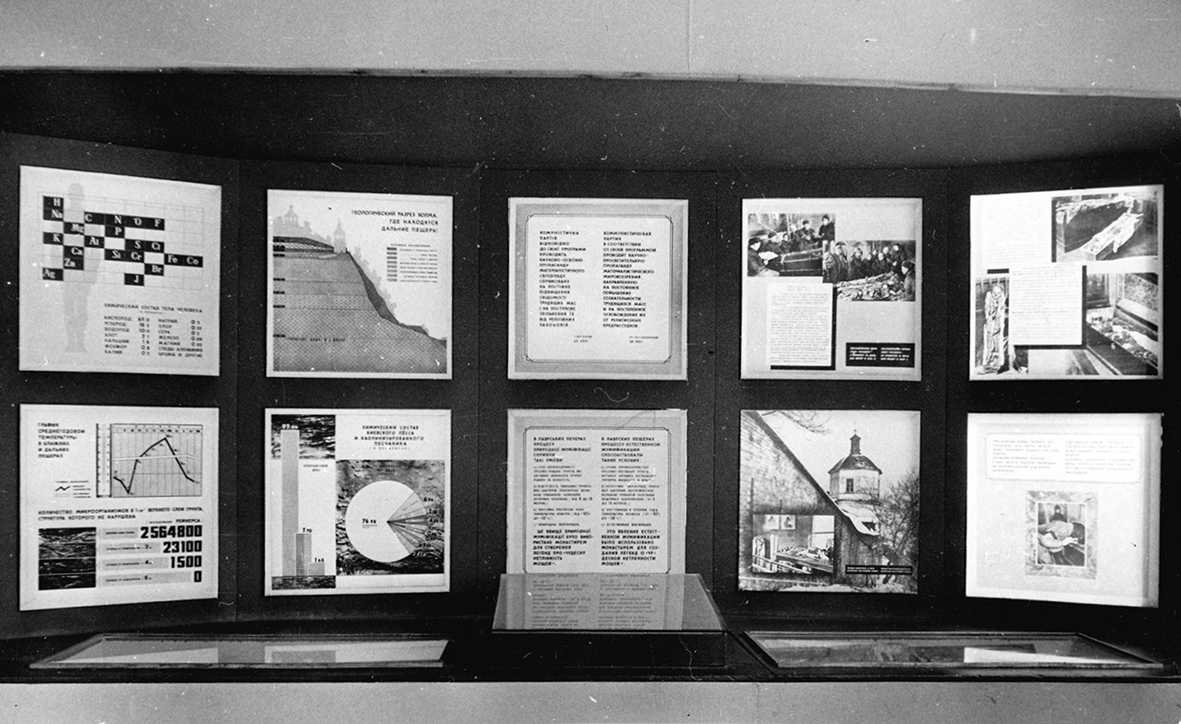
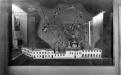
The exhibition was thematically divided into four main sections: “Origin of the Cult of Relics and Cave Monasteries”, “Lavra Caves - a Monastery Cemetery”, “Origin and Social Essence of the Pechersk Saints Cult”, “Scientific Refutation of the Incorruptible Relics Cult”. Despite the fact that the exhibition was built “in scientific atheism terms”, the exhibits gave visitors the opportunity to get acquainted with the history of the most interesting Old Rus’ monuments. The exposition began with materials that revealed the gradual development of the cult of the dead from ancient times. It was illustrated by the diorama “Burial of a Neanderthal Boy in the Teshik-Tash Grotto” (photo 2). Photographs of ancient cave monasteries were presented as well. The changes in the configuration of the Near and Far Caves could be traced on the plans of the 17th-20th centuries.
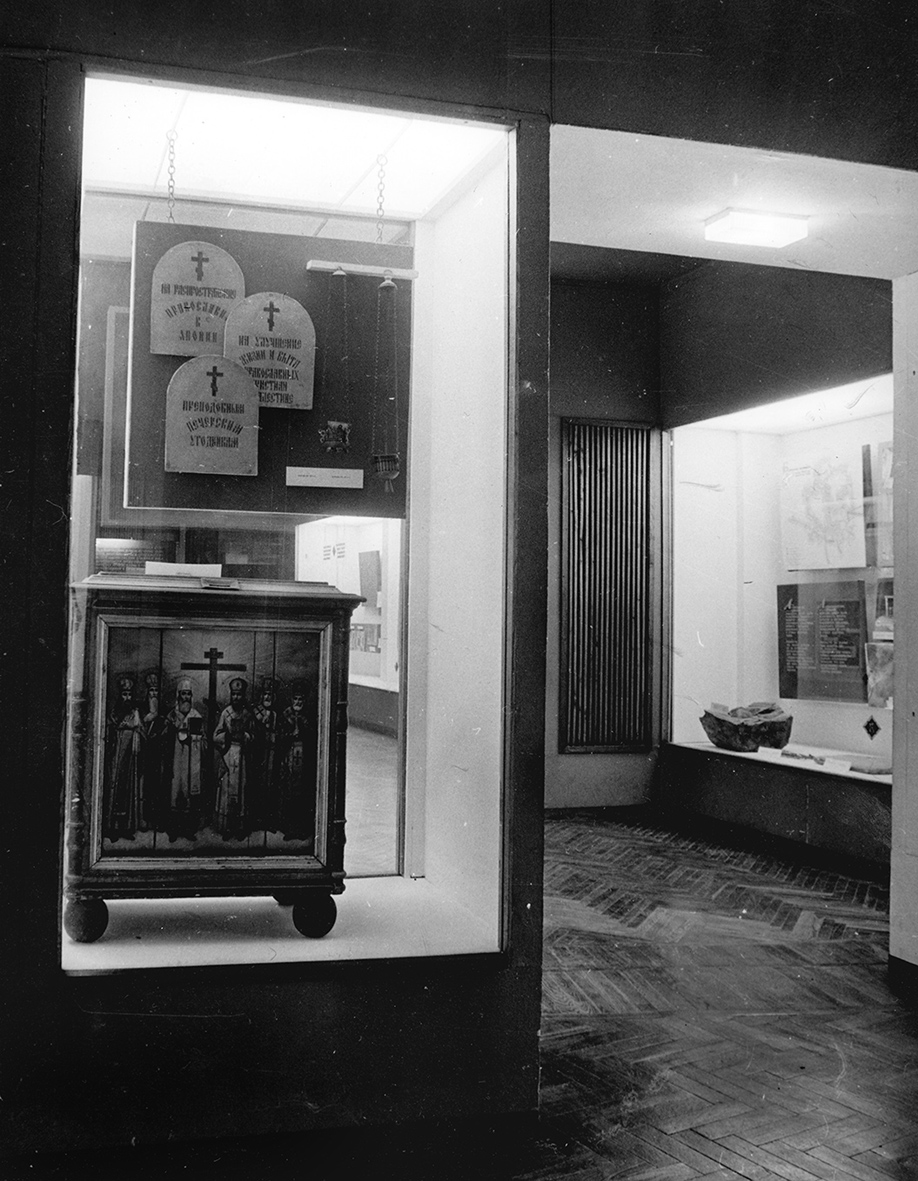
A stand dedicated to the use of monastic premises as prisons for political prisoners during the tsarist period was a tribute to atheistic Soviet propaganda. The exposition ended with the history of the study of caves under Soviet rule.
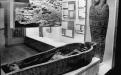
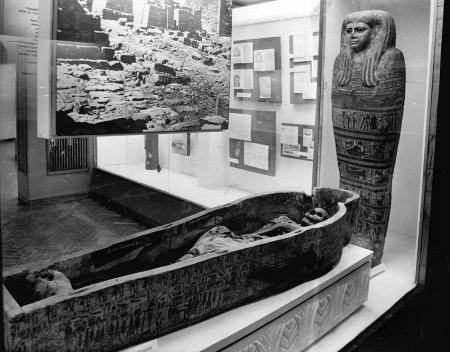
Two “exhibits” that served as examples of artificial and natural mummification had a rather strange look. One of them was identified as a mummy of an Egyptian queen, which was said to be about five thousand years old. The second one was a naturally mummified body from the ancestral crypt of the Lyzogub pomeshchiks (landowners). Later, these remains of the 18th century were returned to Sedniv village in the Chernihiv region for reburial.
After visiting the exhibition, tourists could visit the Lavra caves being already “scientifically savvy”.
It is known that in 1990 the Near Caves and the whole territory above them were transferred to the use of the monastic community. At the same time, the exhibition “History of the Lavra Caves” was closed.
The next release of the “Memories of the Kyiv-Pechersk Lavra” photo project will be dedicated to the archaeological studies in the Near Caves of the Kyiv-Pechersk Lavra in 1977–1979, which significantly expanded our knowledge of the history of the Lavra Caves, and the findings supplemented the collection of the Preserve.
Picture captions:
1. Plan of the exhibition “History of the Lavra Caves”
2. Diorama “Burial Burial of a Neanderthal Boy in the Teshik-Tash Grotto”
3. General view of the first hall
4-9. Showcases with exhibits of the first hall
10. General view of the second hall (the third hall is in the background)
11-15. Showcases with exhibits of the second hall
16. General view of the second hall. The passage to the first hall is in the background
17-18. Fragment of the exposition of the second hall: sections “Monastery prisons” and “Relics Business”
19. Passage from the second to the third hall. Showcases with mummified bodies of an Egyptian and Colonel Lyzogub
20. Stands with materials that “debunked” the incorruptibility of relics
21. Fragment of the interior of the third hall. The remains of Colonel Lizogub are to the right
22. “Egyptian mummy” - an example of artificial mummification
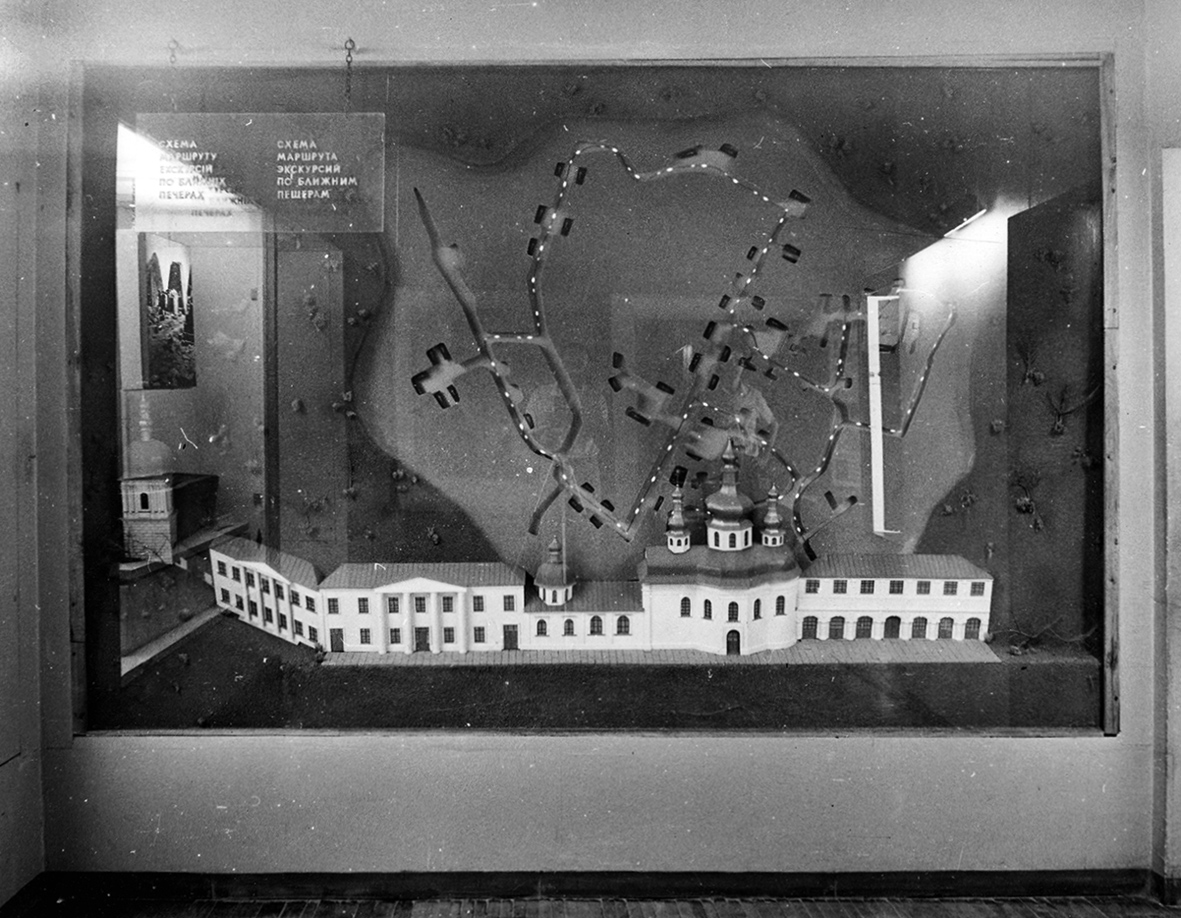
23. Layout of the Near Caves with the designation of the excursion route.