“Memories of Kyiv-Pechersk Lavra” photo project
 Dear friends!
Let us introduce the new release of “Memories of Kyiv-Pechersk Lavra” photo project to you.
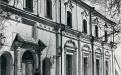
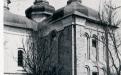
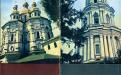
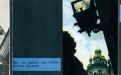
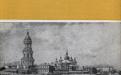
Today we will continue the story about the most popular publications printed in Kyiv-Pechersk State Historical and Cultural Preserve in 1960s and offered to the visitors of the museum institution. This time the release will be about illustrated booklets.
As you know, a booklet is a definite type of printed product that appeared at the turn of the 19th and 20th centuries. It quickly took the leading position among the advertising publications. Primarily it happened due to the simplicity and low prime cost of the product. Usually the sheets of paper, which make up the booklet, are fastened at the back or folded several times, and contain both textual and graphic materials. They differ from brochures not only by the absence of a separate cover, but also by a more complex construction and a more refined design. Other competitors of booklets are postcards. Their quality dominates that of booklets, because they have only one fold or no fold at all. Therefore, they are printed on more dense and durable paper.
Last week we introduced some sets of postcards to your attention. They were known as the most popular printing products of that time. The circulation of the sets of postcards with the images of the monuments of Kyiv-Pechersk Lavra was three or even more times bigger than the circulation of booklets in the late 1960s. However, the booklets usually contained more information including “ideologically balanced” postulates of the Soviet propaganda. That is why, they were printed more often.
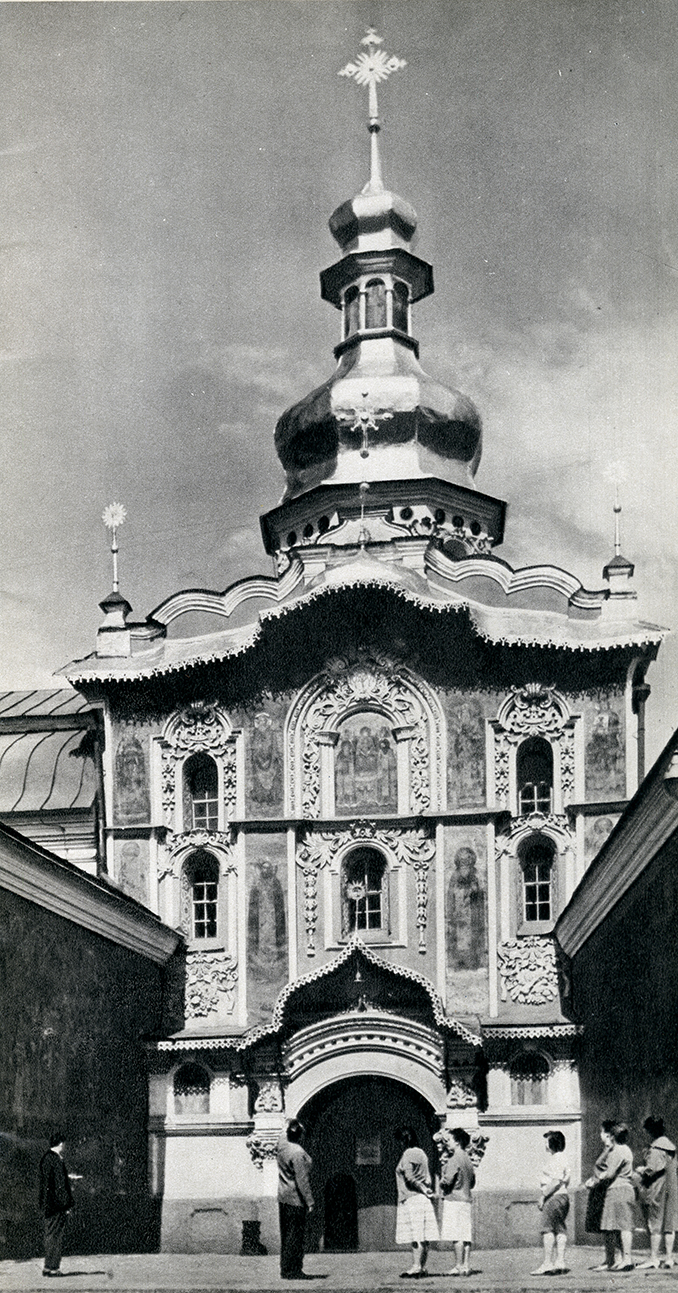
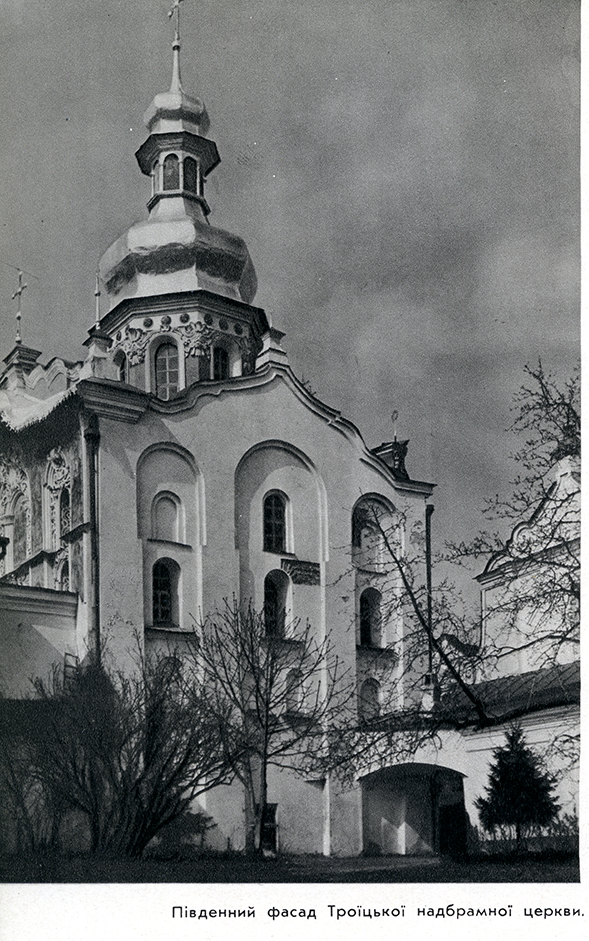
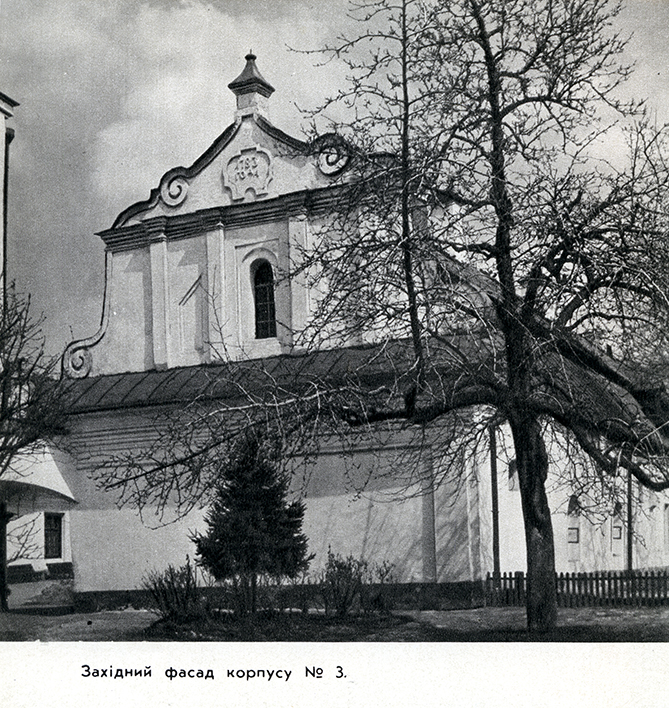
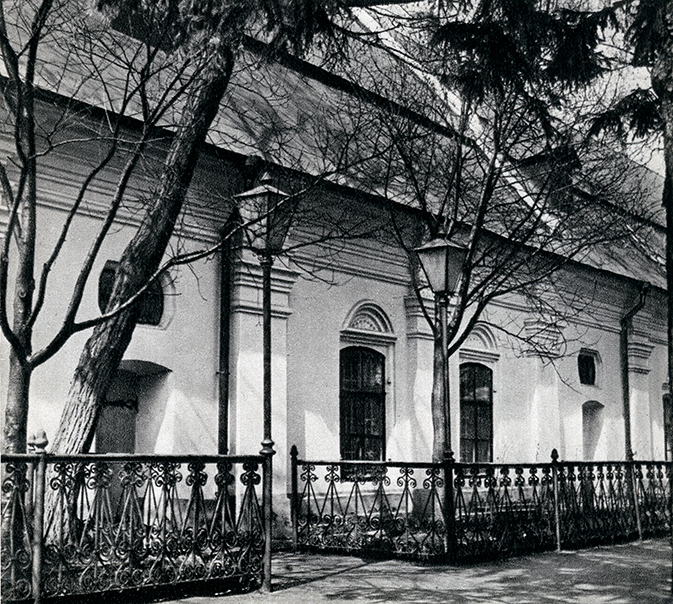
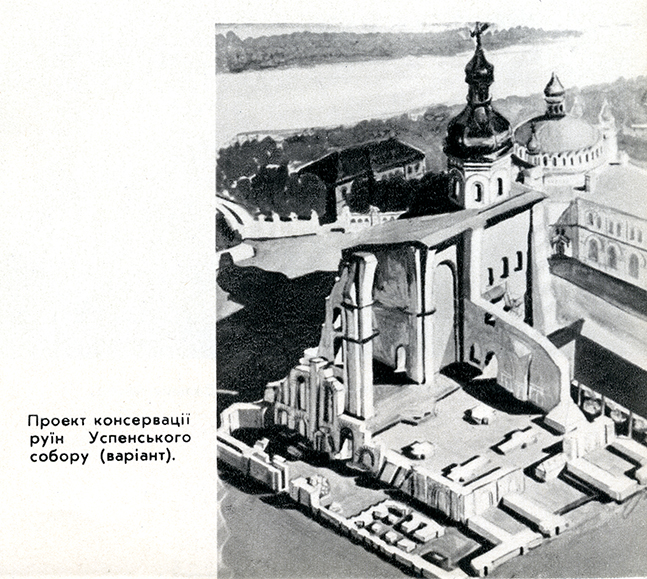
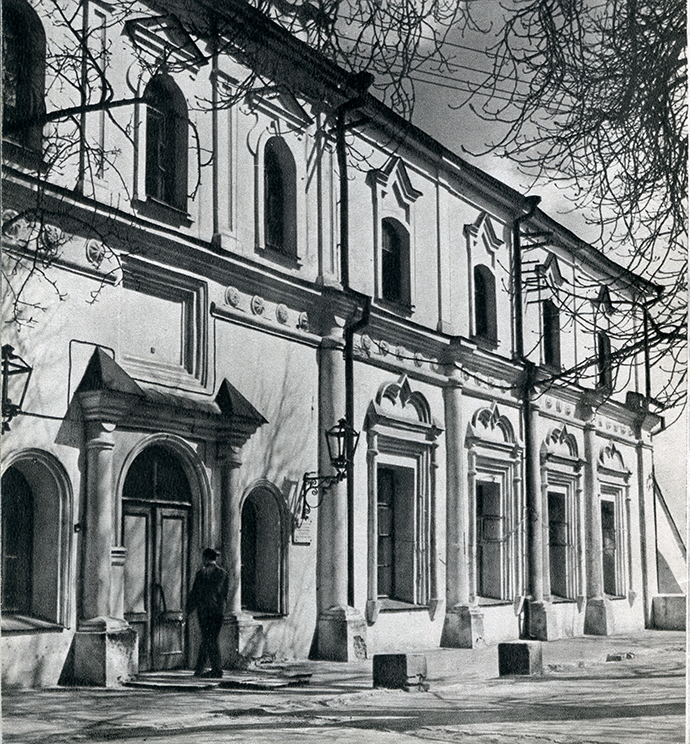
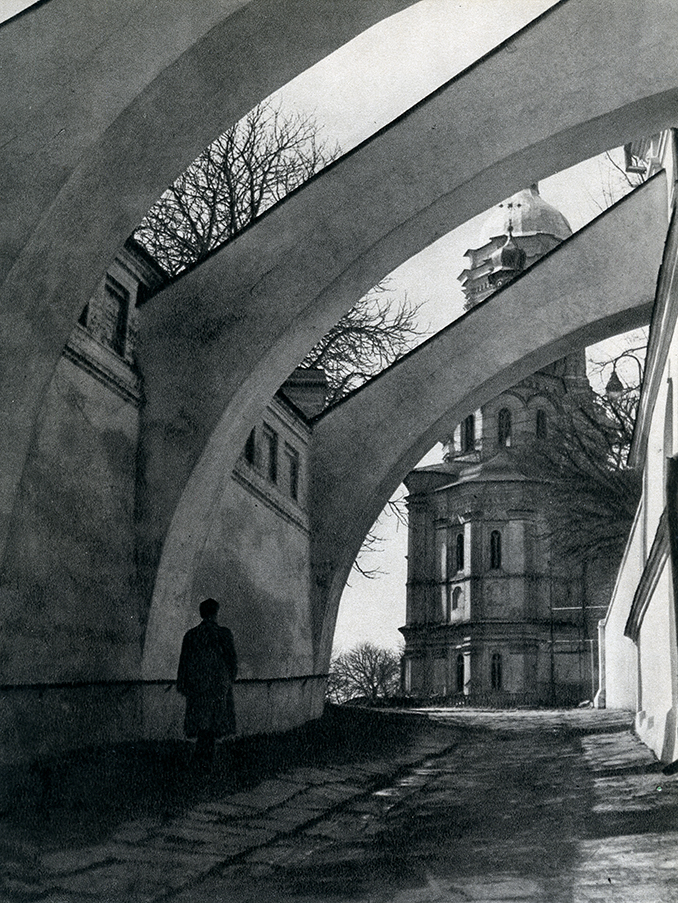
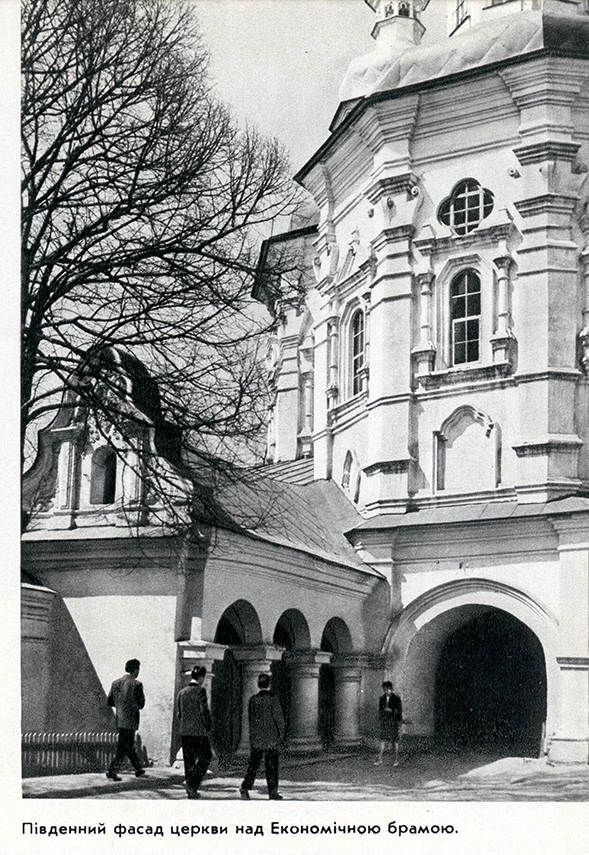
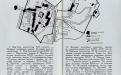
In addition to the photographs, typical for the booklets of the 1960s, one could find quite detailed stories in this printed matter segment. They were about Kyiv-Pechersk Lavra and its monuments. They also contained schematic plans of the Preserve and had its detailed legend. Sometimes the reader of the booklet could find the information about the exhibitions held in the territory of the Preserve. Thus, from one of such booklets, published in 1968, we can get the information about the exhibitions available to the visitors then. Some fragments of the texts were ideologically colored, for example:
“Structure of the Universe”. The exhibited materials reveal the groundlessness of religious claims, highlight the achievements of progressive science in the sphere of space exploration. Among the items displayed at the exhibition, there is a Foucault pendulum. The exhibit clearly demonstrates the diurnal rotation of the Earth around its axis. Here one can also find the diorama about the exploration of space in the USSR.
“Caves and relics”. The exhibition is about the origin of caves and causes of natural mummification of organisms. It exposes the cult of “Holy incorruptible relics”.
“Artistic processing of metal and wood”. The items displayed at the exhibition reflect the products of the Ukrainian arts and crafts of the 16th-19th centuries. They are made of precious metal or wood and used for household and religious purposes.
“Artistic fabrics and embroidery of the 16th-19th centuries”. The exhibition presents the samples of textile printing, dyeing, decorative embroidery, silk and brocade fabrics.
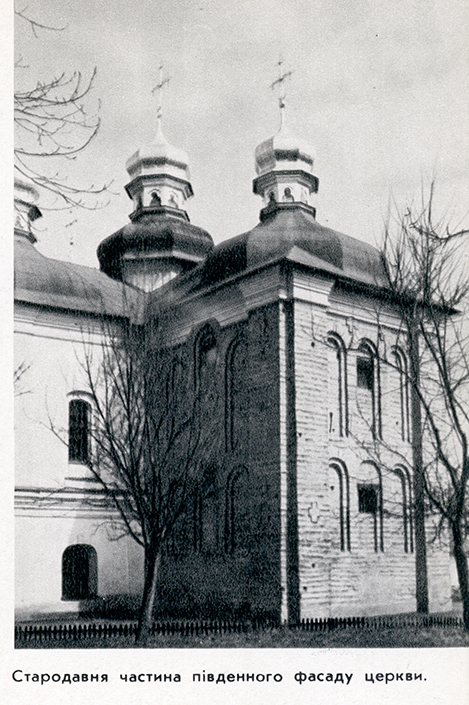
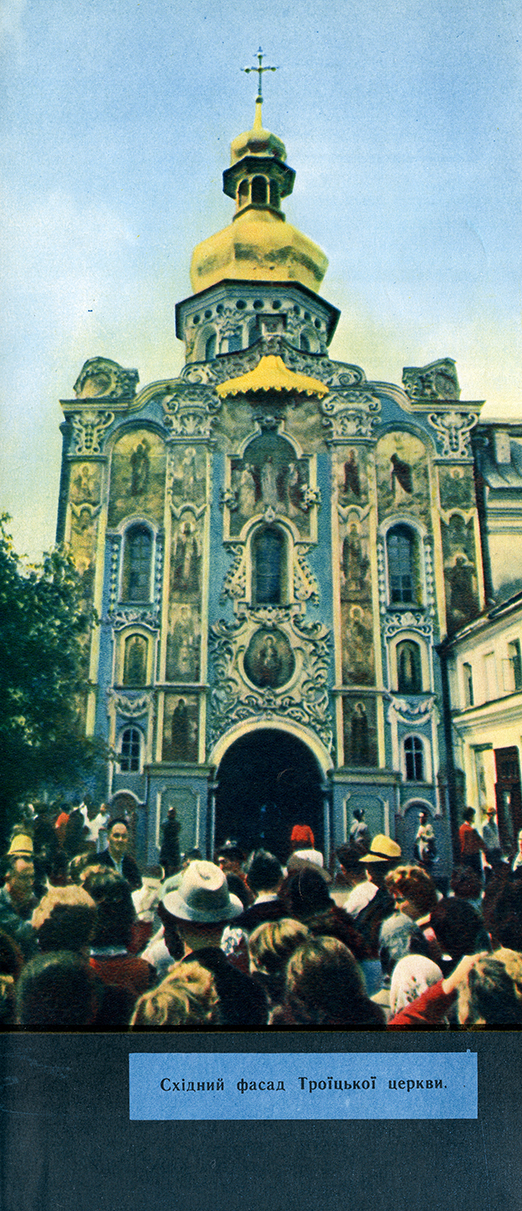
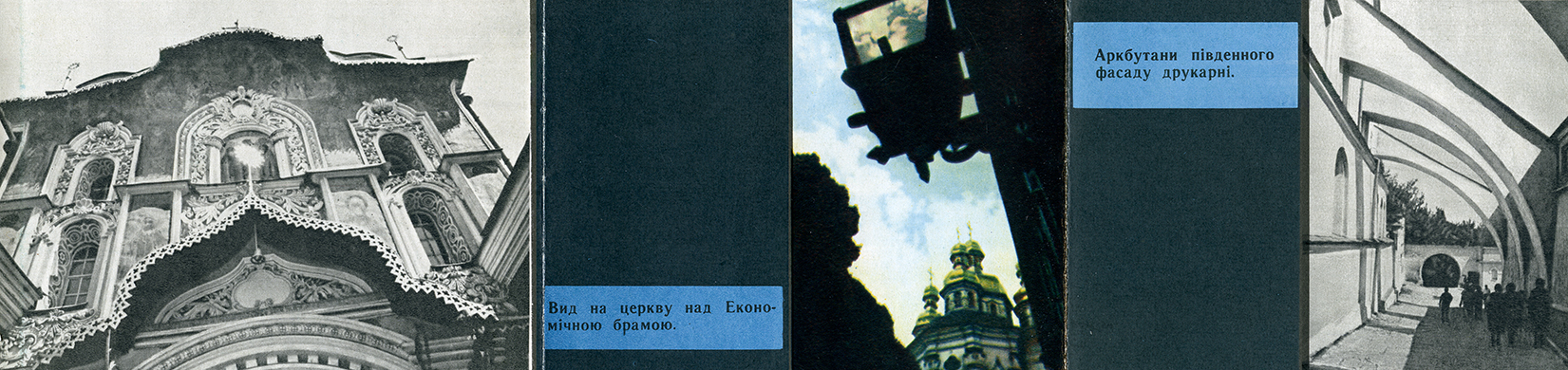
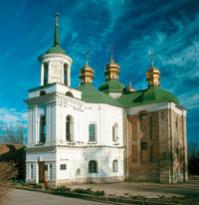
The texts of the booklets are illustrated and sometimes enriched with quite interesting color collages. Unfortunately, the images of the visitors appear quite rarely and the looks of people in the photos seem far from being natural, which says that the shootings were staged. Sometimes, to feel the time period better, it is much more interesting to use resourses of the amateur photography.
In the next release of “Memories of Kyiv-Pechersk Lavra” photo project we are going to show you the photos made by the amateur photographer Volodymyr Chemerys more than fifty years ago. He was electrical engineer by specialty, and photographer - by vocation. He loved to make the pictures of ancient Kyiv.
Captions to the illustrations:
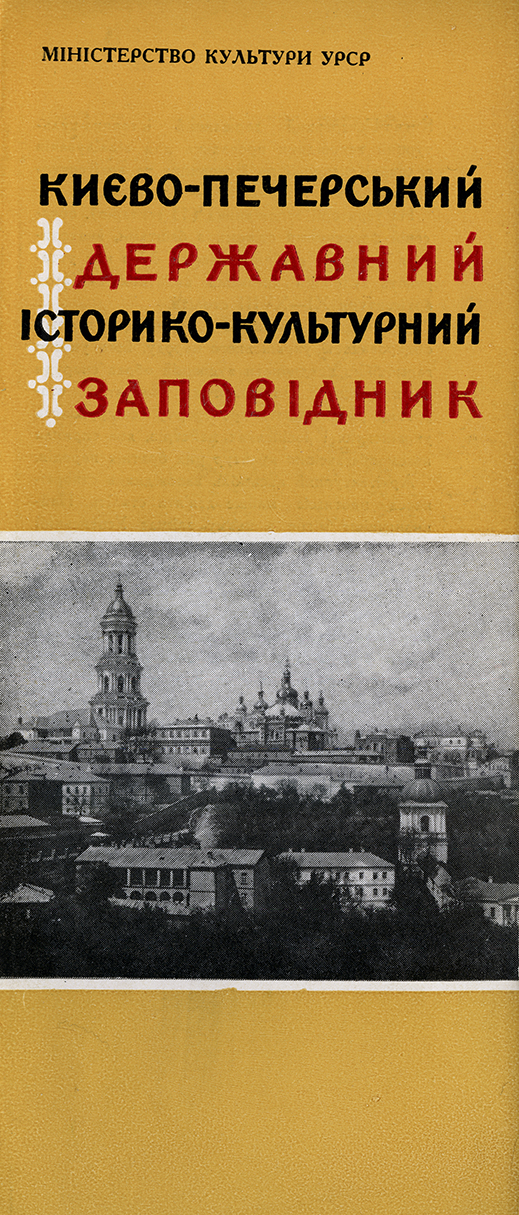
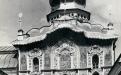
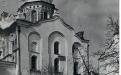
1–10. Title and photos from the booklet of 1965
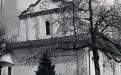
11–13. Booklet published in 1967
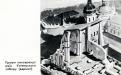
14–15. Title and plan of the Preserve from the booklet of 1968