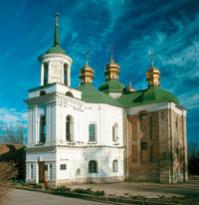
Photo project “In memory of Kyiv-Pechersk Lavra”
 We are glad to present the new release of the photo project “In memory of Kyiv-Pechersk Lavra” to you.
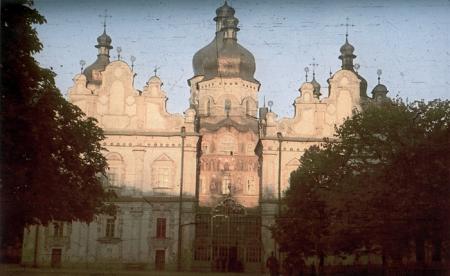
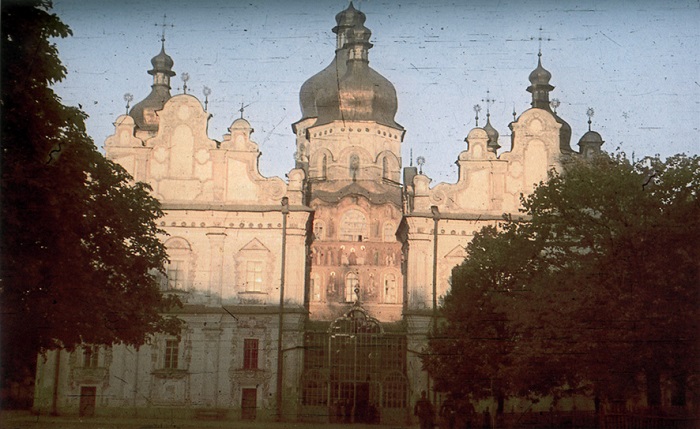
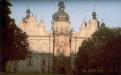
Today the issue will again be devoted to the life of Kyiv-Pechersk Lavra during the Nazi occupation (1941-1943) but this release will be the last one. First two photos (Illus. 1-2) belong to the military photographer Johannes Hjole, who served in the 637th Propaganda Company of the 6th German Army that captured Kyiv. In the fall of 1941, he made several dozen photographs of the life of the front-line city and used AGFA color film. This photographer also made photos of the sites of mass shootings in Babyn Yar. Later they were added to the materials of the Nuremberg Trial.
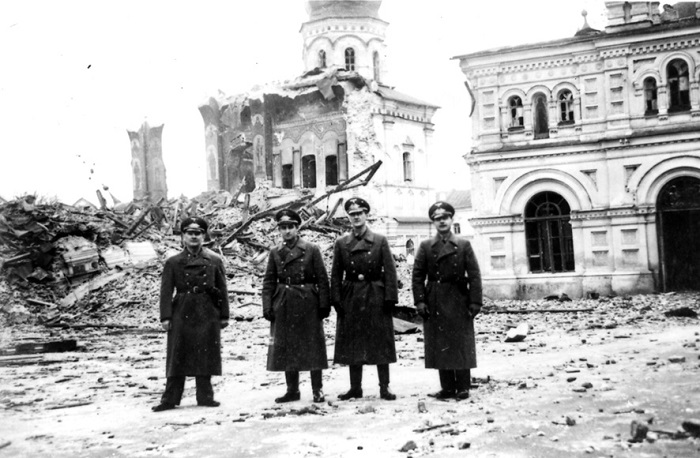
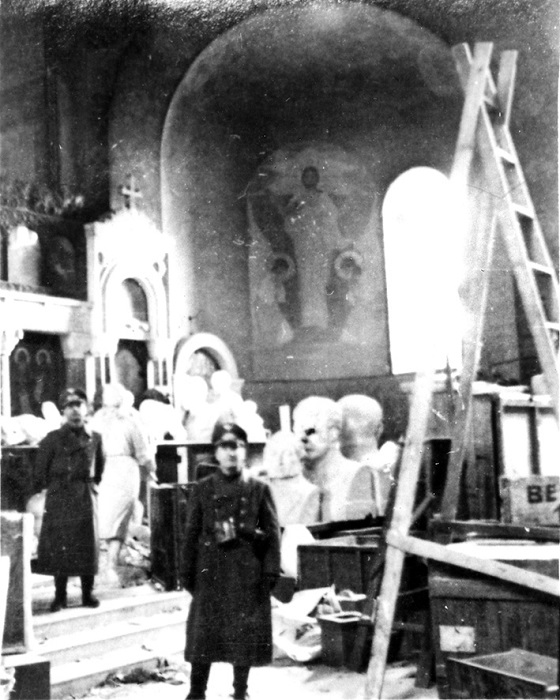
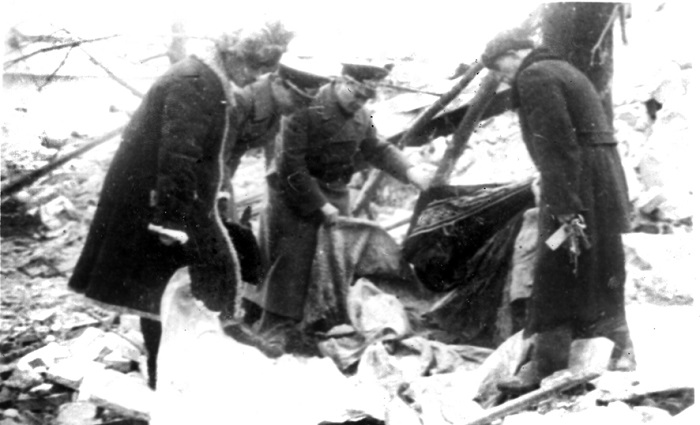
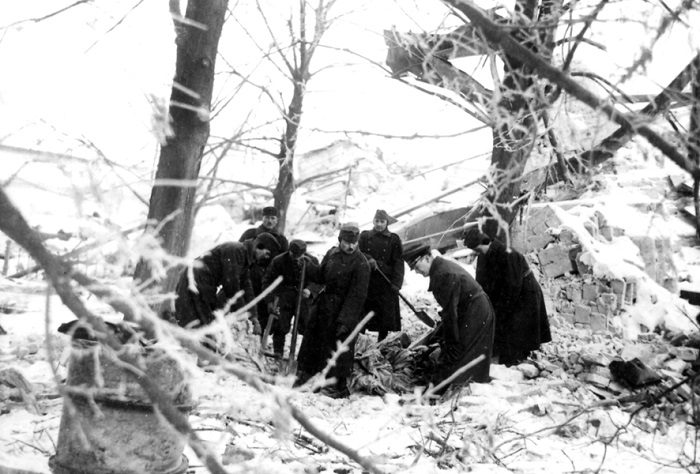
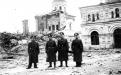
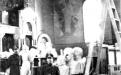
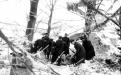
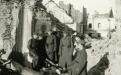
The next series illustrates the work of the Hungarian scientists Nandor Fettich and Dula Laszlo in the museums of Kyiv-Pechersk Lavra in December 1941 - January 1942 (Illus. 3-6). Well-known Hungarian archaeologists were sent to the “Reinschleister Rosenberg Einsatzkommando” to study and facilitate the export of the archeological collections of the former Museum Town to Germany. Both kept diaries and took photographs. Nandor Fettikh (1900–1971) visited the Soviet Union before the war and was personally acquainted with the former director of the Lavra Museum Petro Kurinny, famous scientists (such as, Valentyn Shugaevsky, Valeriya Kozlovskaya, Nataliya Polonskaya-Vasylenko), and architect Ipolyt Morgilevsky. Nandor Fettikh’s “Kyiv Diary”, which is considered a valuable historical document, was published in 2004.
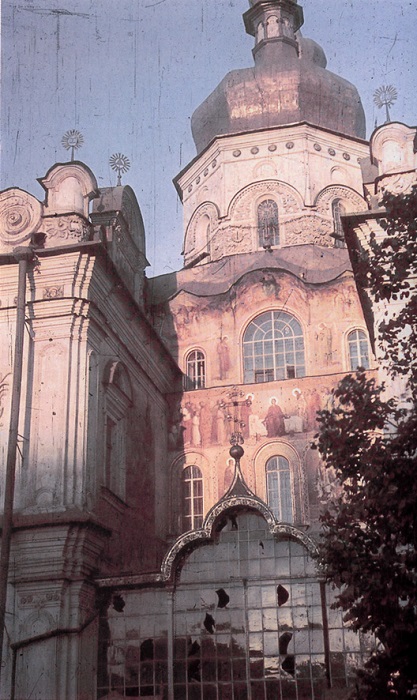
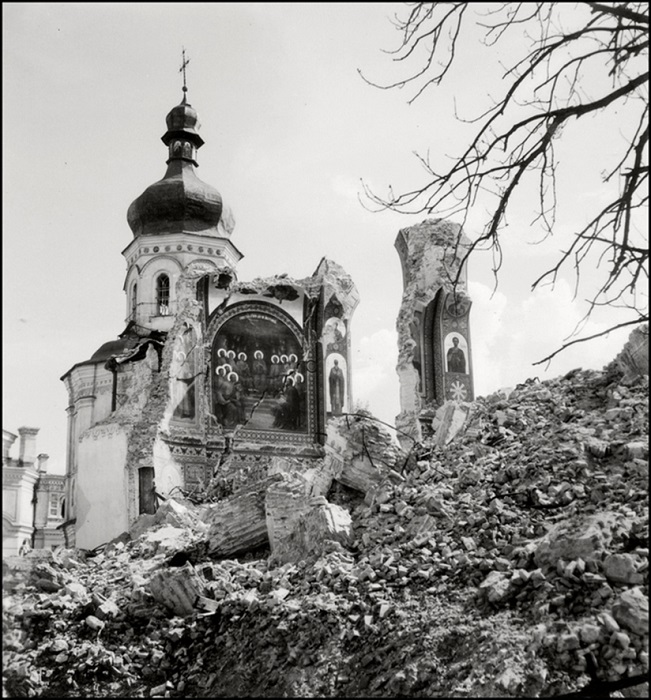
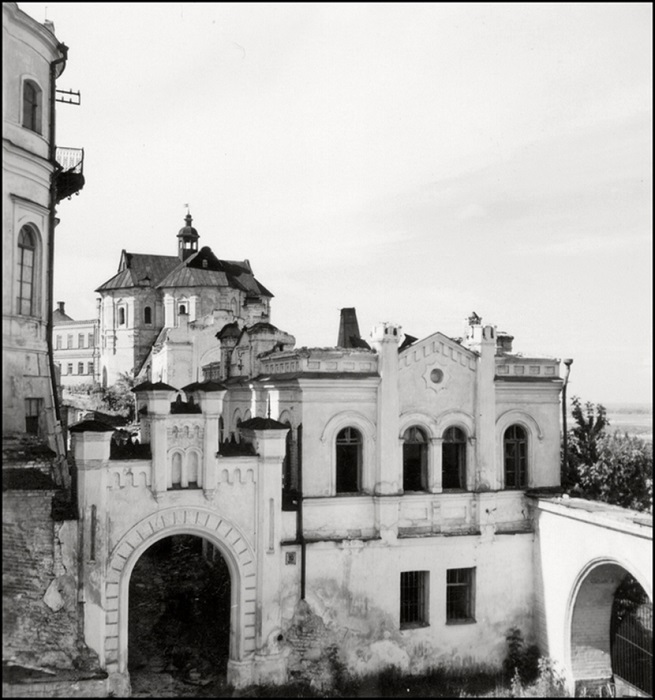
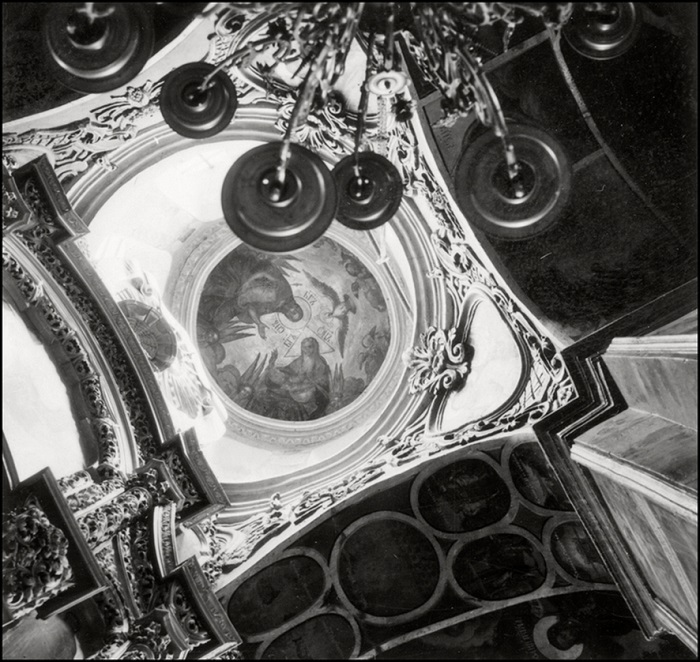
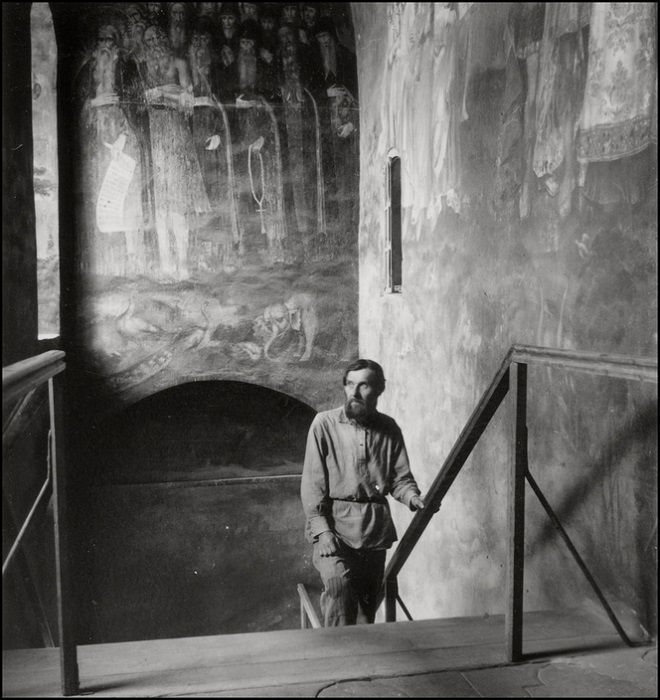
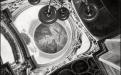
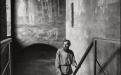
Another series of photographs (Illus. 9-12) was taken by Herbert Liszt (1903–1975). He was a well-known German photographer who collaborated with many famous publishing houses. During World War II he served as cartographer in the Wehrmacht. In June-July 1943, while in Kyiv, he was shooting the everyday life of the occupied city. In his “Kyiv series”, which consists of more than fifty pictures, 16 photos are about Kyiv-Pechersk Lavra. Thanks to the high quality of the photographs, you can see the condition of the Lavra monuments.
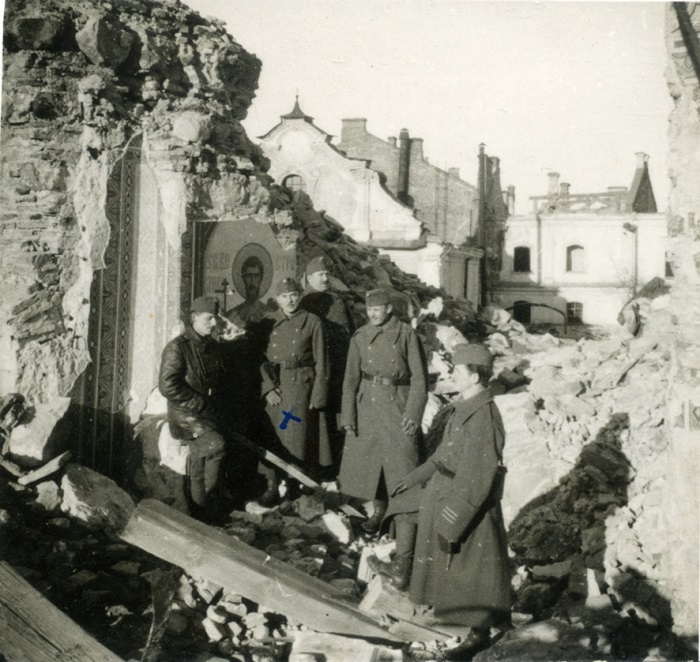
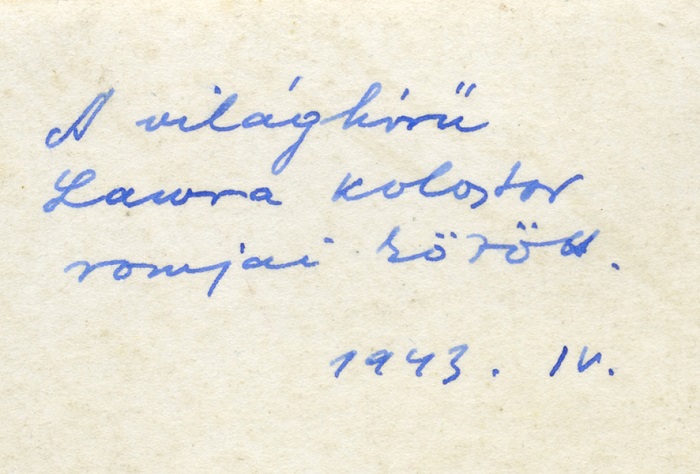
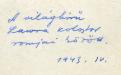
Besides, Kyiv-Pechersk Lavra was often in the focus of amateur photographers. We bring one of such photos to your attention. It was taken by Hungarian soldiers in April 1943, the inscription on the back of the photo confirms it.
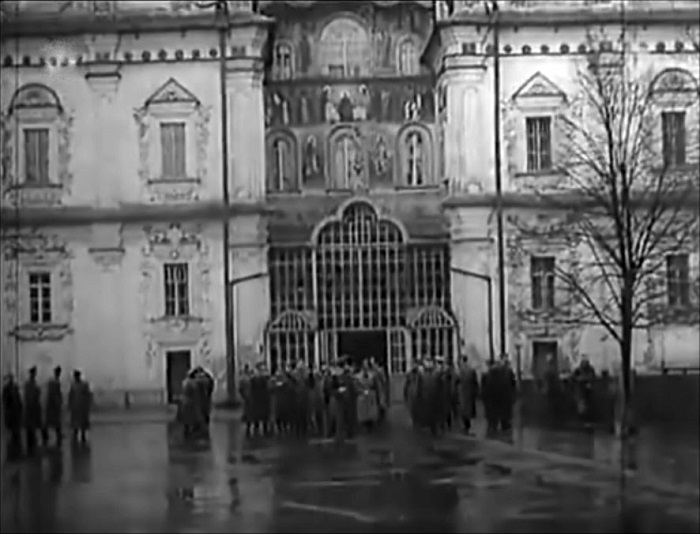
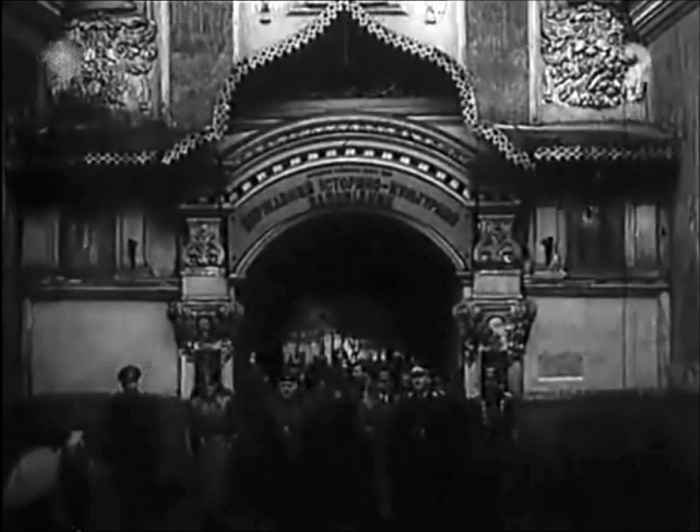
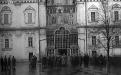
Photographers were not the only people who were shooting Kyiv-Pechersk Lavra during the war. This sacred place was the object of interest for the cinematographers as well. In particular, Lavra became part of the Slovak newsreel dedicated to the visit of the President of Slovakia Joseph Tiso to the Eastern Front. A small fragment of the film (about 2 minutes) tells the viewers about the visit of the President to Kyiv-Pechersk Lavra. The film recorded the last minutes of the existence of the Dormition Cathedral and fixed the condition of the ruins immediately after the explosion.
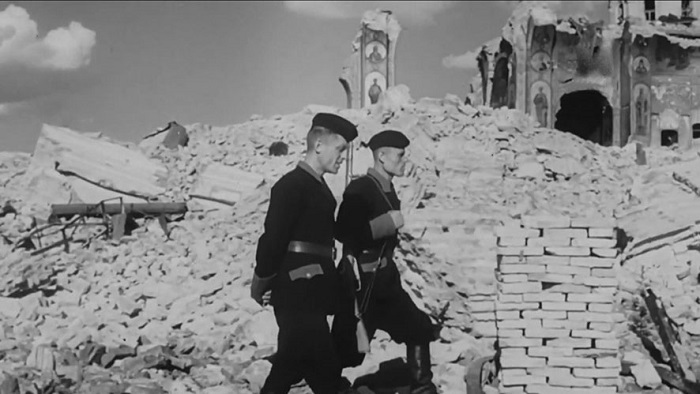
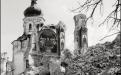
Another short episode that shows the ruins of the Temple one can see in the first series of the French documentary film called “Nazi Science”. Two police officers walk past the ruins of the Dormition Cathedral. Carefully folded pile of bricks attracts attention. These are the traces of the “activities” of a special “disassembly team”. Following the commands of the occupiers, the members of that “team” destroyed a large part of the architectural monuments.
In the next release of “In memory of Kyiv-Pechersk Lavra” project, we will return to the interwar period and offer you photos dedicated to the Museum of Ukraine (Pavlo Potocki collection).
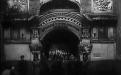
Captions to the illustrations:
1-2. Color photos of the Dormition Cathedral. October 1, 1941
3. Hungarian and German scientists N. Fettich, R. Stampfuss, W. Hule and D. Laszlo near the ruins of the Dormition Cathedral. December 19, 1941
4. Nandor Fettikh and Dula Laszlo among the museum exhibits in the former church of Sts. Anthony and Theodosius of Pechersk (Refectory Church). December 1941
5. V. Shugaevsky, D. Laszlo, N. Fettikh and Grygoriev carefully look at the gold-woven items extracted from the ruins of the Dormition Cathedral. December 20, 1941
6. Hungarian soldiers coordinated by Nandor Fettich get valuable fabrics from the ruins of the Cathedral. January 8, 1942
7. The ruins of the Dormition Cathedral
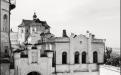
8. View on the letter-foundry building from the destroyed Observation deck
9. Under the cupola painting of the Gate Church of the Trinity
10. Lavra’s churchman
11-12. Hungarian soldiers on the ruins of the Сathedral (front/reverse)
13. President of Slovakia Joseph Tiso near the Dormition Cathedral. November 3, 1941
14. The delegation headed by Joseph Tiso leaves Kyiv-Pechersk Lavra. November 3, 1941
15. Policemen near the ruins of the Dormition Cathedral.



/socialmedia/icons/levelten/glossy/32x32/youtube.png)
/socialmedia/icons/levelten/glossy/32x32/facebook.png)
/socialmedia/icons/levelten/glossy/32x32/twitter.png)